A Shared Vision
  • Home
  • Página principal
  • Refer a Child
    • Refer a Child
    • Frequently Asked Questions
  • Remitir a un niño
    • Remitir a un niño
    • Preguntas mas frecuentes
  • Stay Informed
    • Latest News
    • Newsletters
    • Annual & Financial Reports
  • Manténgase informado
    • Últimas noticias
    • Boletines
  • Parent Resources
    • Parent Resources Introduction
    • Let's Play!
    • Learning Experiences© >
      • Learning Experiences©
      • Expanded Core Curriculum
    • Sensory Recipes >
      • Sensory Recipes Introduction
      • Sensory Recipes
    • Gift Ideas
    • Digital Resources >
      • Digital Resources Overview
      • Active Learning
      • Building Communication Skills
      • CVI
      • Dual Sensory Loss
      • Early Emergent Literacy
      • Eye Conditions
      • Eye Glasses for Your Child
      • Feeding
      • Meeting with Your Ophthalmologist
      • Orientation & Mobility
      • Patching for Your Child
      • Routines
      • Sleep
      • Strategies
      • Tactile Skills
      • Transition to Preschool
    • Other Great Organizations
  • Recursos para padres
    • Recursos para padres
    • A jugar!
    • Experiencias de aprendizaje© >
      • Experiencias de aprendizaje©
      • Currículo Básico Expandido
    • Recetas sensoriales© >
      • Recetas Sensoriales© introducción
      • Recetas sensoriales©
    • Ideas para regalar
    • Recursos digitales >
      • Recursos digitales
      • Afecciones oculares
      • Gafas para su hijo
      • Habilidades alimentarias
      • Reunión con su oftalmólogo
      • Estrategias
      • Transición al preescolar
  • For Our Families
    • Welcome New Families
    • Top digital resources for new families
    • Inspiring Families
    • Esmeralda's Day
  • Para nuestras familias
    • Bienvenida a las nuevas familias
    • Nuestros recursos favoritos
  • Vision Screening
    • Importance of Vision Screening
    • Protocol & Resources
    • Quickstart Guide
    • Vision Screening Training
    • Directory Pediatric Eye Doctors
    • Links & Documents >
      • Links
      • Email & Text Templates
      • PDF Documents
    • Information For Pediatric Eye Doctors
    • Well-Child Vision Screening for CVI
  • Donate Now
    • Donate Now
    • Value of Early Intervention
    • CO Child Care Tax Credit
  • Donar ahora
    • Donar ahora
    • El valor de la intervención precoz
  • Trainings & Education
    • Trainings & Education
  • About Us
    • Our Mission, Goal, Values
    • What We Do
    • Our Team
    • Our Board
    • Our Partners
  • Quiénes somos
    • Nuestra misión, objetivo y valores
    • Qué hacemos
    • Nuestro equipo
  • Contact Us
  • Contáctese con nosotros
Tactile Skills

Grasp and Hand Skills for Infants with Visual Impairments

Grasp and Hand Skills for Infants with Visual Impairments

Developing your baby’s use of their hands is very important because your baby cannot see. Hand skills will allow your baby to progress in an orderly sequence from feeling their own clothing and your face and body as you hold your baby, to picking up objects and exploring them in detail with their fingers. Watching your baby develop can be as exciting for you as it is important to them. The following are activities you can do with your baby to help them explore and manipulate objects and learn about their environment. Only a few activities are given for each stage. Use your own creativity to stimulate your baby to use the same movements in other activities.

For these activities, use hand-under-hand technique. When you use the hand-under-hand technique, your hands perform the activity while your baby’s hands rest on top of yours – in this way, your baby can feel what your hands are doing. If the activity is new to your baby, and they are hesitant to try it, your baby may feel more secure touching your hands rather than the unknown object or activity. Also, because their palms are on your hands, your baby will be able to focus their energy on feeling the movements of your hands. Your baby may also feel more comfortable and in control because they can freely remove their hands if they want to. As you perform the activity, verbally describe what you are doing with your hands.

First Stage Grasp

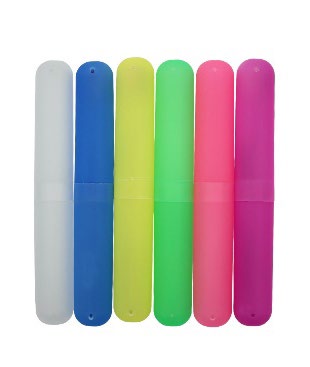
A baby’s first grasp typically involves the fingers but not the thumb. Your baby touches the toy, usually from the little finger side of their hand, then moves their fingers into their palm. Their thumb is not active in this movement. Use a long, slender object that will fit into their palm, such as teething beads or a small rattle to encourage your baby in these activities. Or use a travel-size toothbrush holder with a Mardi Gras bead necklace inside. It makes a great, easy to hold rattle and if it comes apart, the beads are fun to grab and hold too!
Picture
Because the teething beads do not make a noise, jingle bells can be tied to it or strung on the string to provide the noise. Your child will probably put these things in their mouth. Make sure the objects cannot be swallowed or inhaled.

#1

With your baby on their tummy on the floor or in bed, place toys within their reach and directly in front. Get your baby’s attention by making a noise with the toy. Encourage your baby to reach out with both hands. Using hand under hand, put their hands on the toy or touch their hands with the toy. When your baby takes hold of the toy, pull the toy gently to encourage your baby to pull back. The teething beads are a good toy to use for this activity.

#2

With your baby lying on their back, hold toys within their reach directly overhead at about chin level. Get your baby’s attention by making a noise with the toy. Encourage your baby to reach out with both hands. Using hand under hand, touch your baby’s hands with the toy and tell them to “hold on.” If your baby does not reach and grasp the toy, put their hands on it using hand under hand. When your baby has the toy in both hands, pull on it gently to encourage your baby to pull back.

#3

With your baby lying on their back on the floor or in your lap, lift your baby’s feet up so your baby can reach for them with their hands. Gently hold your baby by their hips to keep their feet within reach. Encourage your baby to reach up for their feet with one hand and then both hands.

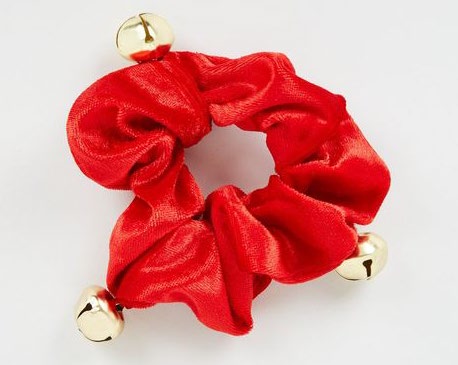
For variety, put a toy, such as play keys or foot rattles, on your baby’s foot or loosely tie on a jingle bell larger than one inch. Try sewing jingle bells securely onto hair scrunchies from the dollar store to make “ankle bracelets.” Use bright colors and different textures to add even more fun!
Picture

Second Stage Grasp

Next, the baby is typically ready to use their thumb in grasping objects. Your baby touches the toy with their palm, and with thumb and fingers closing together grasps the toy. About this time, your baby learns to drop the toy. Objects that encourage this kind of grasp are small enough to fit in your baby’s palm, such as one-inch blocks or beads, but large enough not to be swallowed or inhaled.

#4

With your baby sitting in your lap or supported in a highchair, encourage your baby to hold an object in each hand and bang them together like playing pat-a-cake with the toys in their hands. Use hand-under-hand demonstrations to show your baby how it’s done.

#5

With your baby in your lap or in a highchair, stick a small ball of tape to one hand and encourage your baby to pull it off with the other hand. Then repeat the activity by sticking the tape to the other hand. Make a ball of tape at least one inch in diameter, sticky side out, or a ball of double-faced tape. Try sticking Christmas bows (some have staples, so watch out for those) to your baby’s hands, knees, feet and tummy to help your baby learn about their body.

#6

To help your child learn to drop toys at whim, have your baby sit in your lap or a chair. Put one of your baby’s hands on the top edge of a box, cup or small bucket and give your baby a block or bead in their other hand. Metal mixing bowls or colanders make a wonderful sound when toys are dropped inside! Using hand under hand, guide your baby’s hand with the block in it to the opening of the box. Lightly touch the edge of the box close to where your baby is holding it with their other hand. Encourage your baby to drop the block into the box or cup. The noise it makes is some reward and praise his effort as a reward.

Third Stage Grasp

As your baby’s use of their arms and hands gets better, your baby begins to move their fingers individually, to point or to pinch.

#7

Seat your baby in a chair with a tray and smear applesauce on the palm of their hand. Encourage your baby to lick it off, especially between their fingers. Repeat this with their other hand.

#8

Seat your baby in a chair with a tray. Put five to eight pieces of dry cereal (Puffs or Cheerios) on your baby’s tray and guide their hand to find them. Using hand under hand, encourage your baby to push the cereal around with their index finger. Cheerios are particularly good to use because tiny fingers fit nicely into the hold in the center. Be sure that if your baby puts the cereal into their mouth your baby can chew and swallow it without choking. Remember to guide each of your baby’s hands, but one at a time

#9

Using one-inch beads and/or another toy with a small hole in it, put your baby’s finger in the hole of the bead. Encourage your baby to put their own finger in the hole.

#10

Put a one-inch square of tape on the back of your baby’s hand. Encourage your baby to pick it off with the other hand. Repeat with tape on the other hand. You can also use stickers for this activity. Be sure baby does not put it in their mouth.

#11

With your baby seated on the floor, put the string of a pull toy (one that makes a noise as it moves) in one hand. Encourage your baby to pull the toys. As the toys get close to your baby, help your baby reach out to grasp them.

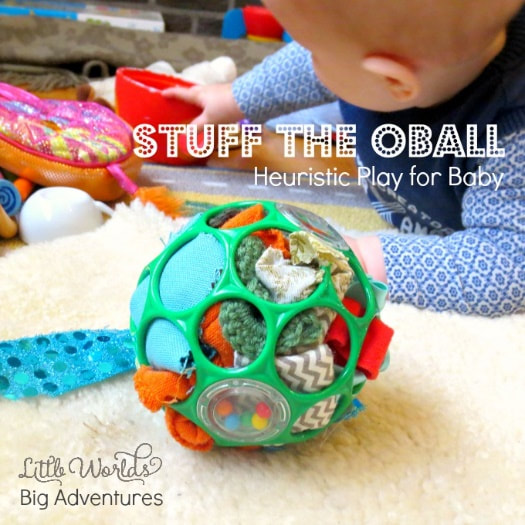
Stuff an ‘O’ Ball with long pieces of ribbon or strips of textured fabric for your baby to pull out.

Pulling rainbow scarves out of an empty Kleenex box is another fun activity for babies.
Picture
Adapted from “Grasp and Hand Skills for Infants with Visual Impairments,” the children’s medical center.
HOME (Mapa del sitio en español)
REFER A CHILD
Refer a Child

Frequently Asked Questions
STAY INFORMED
Latest News

Newsletters
Annual & Final Reports
PARENT RESOURCES
Introduction
Let's Play
Learning Experiences©
Sensory Recipes
Gift Ideas
Digital Resources
Other Great Organizations
FOR OUR FAMILIES
Welcome New Families

Top Digital Resources For New Families
Inspiring Families
Esmeralda's Day
VISION SCREENING
Importance of Vision Screening
Protocol & Resources
Quickstart Guide
Vision Screening Training
Directory of Pediatric Eye Doctors
Links & Documents
DONATE NOW
Donate Now

Value of Early Intervention
CO Child Care Tax Credit
TRAINING & EDUCATION
Training & Education

ABOUT US
Our Mission, Goal, Values
What We Do
Our Team
Our Board
Our Partners

A Shared Vision: Partners in Pediatric Blindness & Visual Impairment

EIN 81-4227664
Privacy Policy
Certificate of Insurance
  • Home
  • Página principal
  • Refer a Child
    • Refer a Child
    • Frequently Asked Questions
  • Remitir a un niño
    • Remitir a un niño
    • Preguntas mas frecuentes
  • Stay Informed
    • Latest News
    • Newsletters
    • Annual & Financial Reports
  • Manténgase informado
    • Últimas noticias
    • Boletines
  • Parent Resources
    • Parent Resources Introduction
    • Let's Play!
    • Learning Experiences© >
      • Learning Experiences©
      • Expanded Core Curriculum
    • Sensory Recipes >
      • Sensory Recipes Introduction
      • Sensory Recipes
    • Gift Ideas
    • Digital Resources >
      • Digital Resources Overview
      • Active Learning
      • Building Communication Skills
      • CVI
      • Dual Sensory Loss
      • Early Emergent Literacy
      • Eye Conditions
      • Eye Glasses for Your Child
      • Feeding
      • Meeting with Your Ophthalmologist
      • Orientation & Mobility
      • Patching for Your Child
      • Routines
      • Sleep
      • Strategies
      • Tactile Skills
      • Transition to Preschool
    • Other Great Organizations
  • Recursos para padres
    • Recursos para padres
    • A jugar!
    • Experiencias de aprendizaje© >
      • Experiencias de aprendizaje©
      • Currículo Básico Expandido
    • Recetas sensoriales© >
      • Recetas Sensoriales© introducción
      • Recetas sensoriales©
    • Ideas para regalar
    • Recursos digitales >
      • Recursos digitales
      • Afecciones oculares
      • Gafas para su hijo
      • Habilidades alimentarias
      • Reunión con su oftalmólogo
      • Estrategias
      • Transición al preescolar
  • For Our Families
    • Welcome New Families
    • Top digital resources for new families
    • Inspiring Families
    • Esmeralda's Day
  • Para nuestras familias
    • Bienvenida a las nuevas familias
    • Nuestros recursos favoritos
  • Vision Screening
    • Importance of Vision Screening
    • Protocol & Resources
    • Quickstart Guide
    • Vision Screening Training
    • Directory Pediatric Eye Doctors
    • Links & Documents >
      • Links
      • Email & Text Templates
      • PDF Documents
    • Information For Pediatric Eye Doctors
    • Well-Child Vision Screening for CVI
  • Donate Now
    • Donate Now
    • Value of Early Intervention
    • CO Child Care Tax Credit
  • Donar ahora
    • Donar ahora
    • El valor de la intervención precoz
  • Trainings & Education
    • Trainings & Education
  • About Us
    • Our Mission, Goal, Values
    • What We Do
    • Our Team
    • Our Board
    • Our Partners
  • Quiénes somos
    • Nuestra misión, objetivo y valores
    • Qué hacemos
    • Nuestro equipo
  • Contact Us
  • Contáctese con nosotros