A Shared Vision
  • Home
  • Página principal
  • Refer a Child
    • Refer a Child
    • Frequently Asked Questions
  • Remitir a un niño
    • Remitir a un niño
    • Preguntas mas frecuentes
  • Stay Informed
    • Latest News
    • Newsletters
    • Annual & Financial Reports
  • Manténgase informado
    • Últimas noticias
    • Boletines
  • Parent Resources
    • Parent Resources Introduction
    • Let's Play!
    • Learning Experiences© >
      • Learning Experiences©
      • Expanded Core Curriculum
    • Sensory Recipes >
      • Sensory Recipes Introduction
      • Sensory Recipes
    • Gift Ideas
    • Digital Resources >
      • Digital Resources Overview
      • Active Learning
      • Building Communication Skills
      • CVI
      • Dual Sensory Loss
      • Early Emergent Literacy
      • Eye Conditions
      • Eye Glasses for Your Child
      • Feeding
      • Meeting with Your Ophthalmologist
      • Orientation & Mobility
      • Patching for Your Child
      • Routines
      • Sleep
      • Strategies
      • Tactile Skills
      • Transition to Preschool
    • Other Great Organizations
  • Recursos para padres
    • Recursos para padres
    • A jugar!
    • Experiencias de aprendizaje© >
      • Experiencias de aprendizaje©
      • Currículo Básico Expandido
    • Recetas sensoriales© >
      • Recetas Sensoriales© introducción
      • Recetas sensoriales©
    • Ideas para regalar
    • Recursos digitales >
      • Recursos digitales
      • Afecciones oculares
      • Gafas para su hijo
      • Habilidades alimentarias
      • Reunión con su oftalmólogo
      • Estrategias
      • Transición al preescolar
  • For Our Families
    • Welcome New Families
    • Top digital resources for new families
    • Inspiring Families
    • Esmeralda's Day
  • Para nuestras familias
    • Bienvenida a las nuevas familias
    • Nuestros recursos favoritos
  • Vision Screening
    • Importance of Vision Screening
    • Protocol & Resources
    • Quickstart Guide
    • Vision Screening Training
    • Directory Pediatric Eye Doctors
    • Links & Documents >
      • Links
      • Email & Text Templates
      • PDF Documents
    • Information For Pediatric Eye Doctors
    • Well-Child Vision Screening
  • Donate Now
    • Donate Now
    • Value of Early Intervention
    • CO Child Care Tax Credit
  • Donar ahora
    • Donar ahora
    • El valor de la intervención precoz
  • Trainings & Education
    • Trainings & Education
  • About Us
    • Our Mission, Goal, Values
    • What We Do
    • Our Team
    • Our Board
    • Our Partners
  • Quiénes somos
    • Nuestra misión, objetivo y valores
    • Qué hacemos
    • Nuestro equipo
  • Contact Us
  • Contáctese con nosotros

Importance of Vision Screening for Young Children

Early Identification Leads to Better Outcomes
Photo: Atlantic Eye Institute

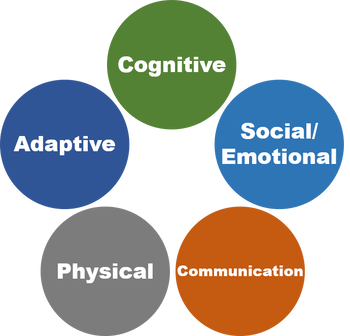
Vision plays a critical role in a young child's cognitive, motor, language, and social-emotional development.

One out of five children, birth to age 5, has a vision concern.
Many childhood vision concerns are treatable when identified early.
Colorado supports just 25% to 50% of the families with very young children who have blindness or low vision compared to neighboring states with more consistent vision screening practices.1

Why Early Vision Screening Matters

Early vision screening helps identify children who may have vision concerns before those concerns significantly affect development. Early identification allows families to seek appropriate medical evaluation and, when needed, begin intervention during the years when a child's brain is developing most rapidly.
Picture
Vision concerns can affect overall development. Vision plays an essential role in communication, mobility, learning, social interaction, and exploration of the environment. Undetected vision concerns may influence every area of a young child's development.
Picture
Photo #1
Early intervention improves outcomes. When vision concerns are identified early, children and families can receive specialized services and supports that help minimize the developmental impact of vision loss.
Picture
Photo #2
Some vision concerns require prompt medical evaluation. Vision screening may identify ocular or neurological concerns that warrant timely evaluation by a pediatric eye doctor or other appropriate medical professional.
“Visual Screening Guidelines: Children Birth Through Five Years,” Colorado Department of Education, January 2005

Effective Vision Screening Looks Beyond the Eyes

Vision concerns do not always present in the same way. Some children have obvious eye abnormalities, while others have healthy-appearing eyes but demonstrate unusual visual behaviors, have significant medical histories, or exhibit subtle developmental signs that may indicate ocular or brain-based vision concerns. Caregiver observations often provide important information that may not be apparent during a brief screening.

For these reasons, effective vision screening relies on multiple sources of information rather than a single observation or screening test. A comprehensive vision screening considers family and medical history, appearance and movement of the eyes and eyelids, visual behaviors, and caregiver observations and concerns.

Using multiple sources of information helps professionals make more informed screening decisions and communicate recommendations with greater confidence and consistency.
Picture

The Vision Screening Protocol©

The Vision Screening Protocol© brings these evidence-informed principles together in a standardized screening system that helps professionals identify children who may need evaluation by a pediatric eye doctor.

The protocol combines caregiver information, objective vision testing, standardized scoring guidance, and structured communication with families to help professionals:
  • Identify children who may need evaluation by a pediatric eye doctor
  • Determine the appropriate referral urgency
  • Communicate clear recommendations and next steps to caregivers

By standardizing the screening process, the Vision Screening Protocol© promotes more consistent decision-making while supporting earlier identification of both ocular and brain-based vision concerns.

Learn more about the Vision Screening Protocol© or register for training to begin implementing the protocol in your practice or program.
1 Children receiving early intervention vision services: benchmark study with Arizona, New Mexico, and Utah. Conducted by A Shared Vision, November 2019.
Photo credits: Photo #1, Photo #2
HOME (Mapa del sitio en español)
REFER A CHILD
Refer a Child

Frequently Asked Questions
STAY INFORMED
Latest News

Newsletters
Annual & Final Reports
PARENT RESOURCES
Introduction
Let's Play
Learning Experiences©
Sensory Recipes
Gift Ideas
Digital Resources
Other Great Organizations
FOR OUR FAMILIES
Welcome New Families

Top Digital Resources For New Families
Inspiring Families
Esmeralda's Day
VISION SCREENING
Importance of Vision Screening
Protocol & Resources
Quickstart Guide
Vision Screening Training
Directory of Pediatric Eye Doctors
Links & Documents
DONATE NOW
Donate Now

Value of Early Intervention
CO Child Care Tax Credit
TRAINING & EDUCATION
Training & Education

ABOUT US
Our Mission, Goal, Values
What We Do
Our Team
Our Board
Our Partners

A Shared Vision: Partners in Pediatric Blindness & Visual Impairment

EIN 81-4227664
Privacy Policy
Certificate of Insurance
  • Home
  • Página principal
  • Refer a Child
    • Refer a Child
    • Frequently Asked Questions
  • Remitir a un niño
    • Remitir a un niño
    • Preguntas mas frecuentes
  • Stay Informed
    • Latest News
    • Newsletters
    • Annual & Financial Reports
  • Manténgase informado
    • Últimas noticias
    • Boletines
  • Parent Resources
    • Parent Resources Introduction
    • Let's Play!
    • Learning Experiences© >
      • Learning Experiences©
      • Expanded Core Curriculum
    • Sensory Recipes >
      • Sensory Recipes Introduction
      • Sensory Recipes
    • Gift Ideas
    • Digital Resources >
      • Digital Resources Overview
      • Active Learning
      • Building Communication Skills
      • CVI
      • Dual Sensory Loss
      • Early Emergent Literacy
      • Eye Conditions
      • Eye Glasses for Your Child
      • Feeding
      • Meeting with Your Ophthalmologist
      • Orientation & Mobility
      • Patching for Your Child
      • Routines
      • Sleep
      • Strategies
      • Tactile Skills
      • Transition to Preschool
    • Other Great Organizations
  • Recursos para padres
    • Recursos para padres
    • A jugar!
    • Experiencias de aprendizaje© >
      • Experiencias de aprendizaje©
      • Currículo Básico Expandido
    • Recetas sensoriales© >
      • Recetas Sensoriales© introducción
      • Recetas sensoriales©
    • Ideas para regalar
    • Recursos digitales >
      • Recursos digitales
      • Afecciones oculares
      • Gafas para su hijo
      • Habilidades alimentarias
      • Reunión con su oftalmólogo
      • Estrategias
      • Transición al preescolar
  • For Our Families
    • Welcome New Families
    • Top digital resources for new families
    • Inspiring Families
    • Esmeralda's Day
  • Para nuestras familias
    • Bienvenida a las nuevas familias
    • Nuestros recursos favoritos
  • Vision Screening
    • Importance of Vision Screening
    • Protocol & Resources
    • Quickstart Guide
    • Vision Screening Training
    • Directory Pediatric Eye Doctors
    • Links & Documents >
      • Links
      • Email & Text Templates
      • PDF Documents
    • Information For Pediatric Eye Doctors
    • Well-Child Vision Screening
  • Donate Now
    • Donate Now
    • Value of Early Intervention
    • CO Child Care Tax Credit
  • Donar ahora
    • Donar ahora
    • El valor de la intervención precoz
  • Trainings & Education
    • Trainings & Education
  • About Us
    • Our Mission, Goal, Values
    • What We Do
    • Our Team
    • Our Board
    • Our Partners
  • Quiénes somos
    • Nuestra misión, objetivo y valores
    • Qué hacemos
    • Nuestro equipo
  • Contact Us
  • Contáctese con nosotros