A Shared Vision
  • Home
  • Página principal
  • Refer a Child
    • Refer a Child
    • Frequently Asked Questions
  • Remitir a un niño
    • Remitir a un niño
    • Preguntas mas frecuentes
  • Stay Informed
    • Latest News
    • Newsletters
    • Annual & Financial Reports
  • Manténgase informado
    • Últimas noticias
    • Boletines
  • Parent Resources
    • Parent Resources Introduction
    • Let's Play!
    • Learning Experiences© >
      • Learning Experiences©
      • Expanded Core Curriculum
    • Sensory Recipes >
      • Sensory Recipes Introduction
      • Sensory Recipes
    • Gift Ideas
    • Digital Resources >
      • Digital Resources Overview
      • Active Learning
      • Building Communication Skills
      • CVI
      • Dual Sensory Loss
      • Early Emergent Literacy
      • Eye Conditions
      • Eye Glasses for Your Child
      • Feeding
      • Meeting with Your Ophthalmologist
      • Orientation & Mobility
      • Patching for Your Child
      • Routines
      • Sleep
      • Strategies
      • Tactile Skills
      • Transition to Preschool
    • Other Great Organizations
  • Recursos para padres
    • Recursos para padres
    • A jugar!
    • Experiencias de aprendizaje© >
      • Experiencias de aprendizaje©
      • Currículo Básico Expandido
    • Recetas sensoriales© >
      • Recetas Sensoriales© introducción
      • Recetas sensoriales©
    • Ideas para regalar
    • Recursos digitales >
      • Recursos digitales
      • Afecciones oculares
      • Gafas para su hijo
      • Habilidades alimentarias
      • Reunión con su oftalmólogo
      • Estrategias
      • Transición al preescolar
  • For Our Families
    • Welcome New Families
    • Top digital resources for new families
    • Inspiring Families
    • Esmeralda's Day
  • Para nuestras familias
    • Bienvenida a las nuevas familias
    • Nuestros recursos favoritos
  • Vision Screening
    • Importance of Vision Screening
    • Protocol & Resources
    • Quickstart Guide
    • Vision Screening Training
    • Directory Pediatric Eye Doctors
    • Links & Documents >
      • Links
      • Email & Text Templates
      • PDF Documents
    • Information For Pediatric Eye Doctors
    • Well-Child Vision Screening for CVI
  • Donate Now
    • Donate Now
    • Value of Early Intervention
    • CO Child Care Tax Credit
  • Donar ahora
    • Donar ahora
    • El valor de la intervención precoz
  • Trainings & Education
    • Trainings & Education
  • About Us
    • Our Mission, Goal, Values
    • What We Do
    • Our Team
    • Our Board
    • Our Partners
  • Quiénes somos
    • Nuestra misión, objetivo y valores
    • Qué hacemos
    • Nuestro equipo
  • Contact Us
  • Contáctese con nosotros
Learning Experiences©

Helping Your Child See!

Helping Your Child See!
Using Contrast During Daily Routines

Contrast is the difference in luminance or color that makes an object distinguishable from other objects in the same field of view. We can make it easier for your child to see contrast by changing the background so that the object on it stands out. Then we’ll see if your child is more interested in looking at or reaching for the object. First, let’s experiment with different foods and/or objects on various backgrounds to learn what is easiest for your child to see.
PDF English
For EI-TVI

Duration

The length of this activity depends on your child’s interest and your family’s needs. It will usually take from 1 to 15 minutes.

Materials Required

  • Various foods (whatever your child likes)
  • Various toys or objects (whatever your child likes)
  • Various backgrounds in assorted colors like plates, placemats, bowls, cardboard, blankets, rugs, cloth, etc.

Before You Begin...

  •  Sometimes a child can see an object on a low contrasting background, but it might cause fatigue for them to look for it. Your child also might get frustrated and give up. It’s okay to make it easier for the child to use their vision.
  • Remember that we are looking at contrast using 20/20 vision. It is more difficult for a child with low vision to look at something with low contrast. Ask your Early Intervention Teacher of the Visually Impaired (EI-TVI) to try the same activity using low vision simulators. Is it more difficult to see the object? Are the edges as clear?
  • Impaired color vision can affect how your child perceives contrast. It is especially important to experiment with a variety of colors to make sure that the colors you choose are best for your child. Cone-rod dystrophy, Stargardt disease, achromatopsia, optic atrophy, Leber congenital amaurosis (LCA), and sometimes albinism are all vision diagnoses that might affect color vision.
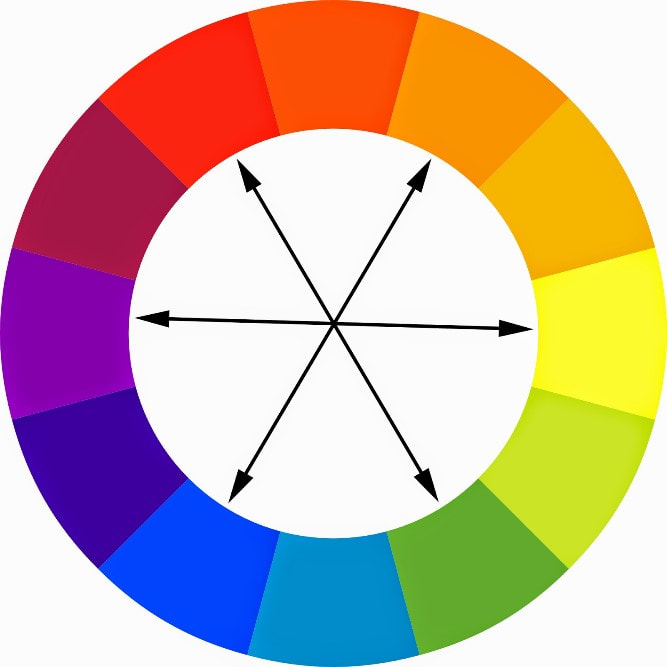
  • This wheel shows complimentary and contrasting colors to help make decisions regarding backgrounds.
Picture

Activity Steps

  1.  Look at the pictures your EI -TVI will provide to explore contrast and discuss the implications. THESE PICTURES AREN’T FOR YOUR CHILD TO LOOK AT. THEY ARE PROVIDED SO THAT YOU AND YOUR EI-TVI CAN USE THEM AS A REFERENCE AS YOU TALK ABOUT CONTRAST. YOUR CHILD WILL USE REAL OBJECTS AS WE EXPERIMENT WITH CONTRAST. All the pictures have been blurred because most children with visual impairment don’t see their environment as clearly as a typical person does. The color was removed from two of the pictures to simulate the lack of color vision.
  2. Decide on a routine that you and your child do every day like eating, playing, bath time, etc. We are going to look at contrast and how it affects how the child is able to use their vision during the routine.
  3. To begin this activity, tell your child what will happen next. For example, “Let’s eat” or “It’s time to take a bath.” If your child uses object or touch cues, incorporate the cues along with your words.
  4. Position your child as appropriate for the routine so they are physically stable and comfortable. For example, if your child is going to eat, put them in the highchair. If your child is going to play, put them on the floor or in their play place.
  5. Consider the color of the target (food, toy, object) and use a background that offers high contrast to the item being offered. For example, if eating Puffs, put a dark plate or placemat on the highchair tray. If the pieces of carrot are orange, you might choose a blue plate. When going to the park, play with different colored balls to see if you can increase the contrast and make it easier for your child to find the ball. Does your child have a favorite toy? What color is it? Try putting it on a contrasting background to help them find it. If your bathroom is white, find some brightly colored toys that are easier to find in the white tub.
  6. Observe your child. Are they looking and reaching for objects more easily when you use a background with high contrast?
  7. This learning experience is directly applicable to every routine in your day. Use what you learned about your child during this learning experience and apply it to your everyday routine. During mealtime, use a contrasting background to the food your child is eating. For example, put Cheerios in a red bowl or put scrambled eggs on a blue plate. During play time, put toys on a contrasting blanket. If you are outside, play with a ball or truck that contrasts with the surface. Also outside, consider planting red flowers in a green garden. During bath time, use a dark colored washcloth and brightly colored bath toys if the tub is white. During dressing, put the clothes on a contrasting surface. When you are encouraging your child to look at your face, put on a red hat, red glasses, or lipstick to create increased contrast. Consider wearing clothing that provides contrast with toys or objects you might be holding up for the child. You can also wear red mittens if you are pointing or calling attention to your hands.

Tips

  • Lighting also greatly affects your child’s ability to use their vision. Experiment with increasing the lighting by turning on a lamp to see if the lighting accentuates the contrast. Also, try reducing the light. Depending on your child’s eye condition, low lighting might help more than increased lighting. Talk with your EI-TVI if you are unsure about what lighting might be best for your child.
  • Glare can also adversely affect how your child uses their vision. Glossy or laminated surfaces create more glare, so try to stay away from these surfaces when choosing a background.

Extension Activities

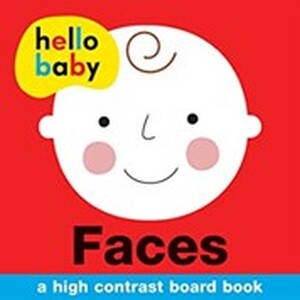
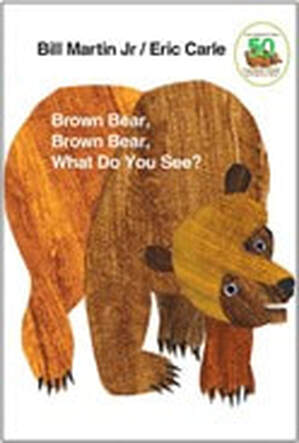
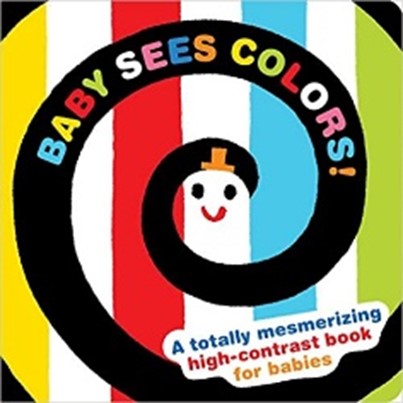
  • Explore contrast in books. When there is good contrast between the picture and the background, is it easier for your child to see and/or point at the pictures? Following are some books with good contrast as an example: Hello Baby: Faces by Roger Priddy, Brown Bear, Brown Bear, What Do You See? by Bill Martin Jr., and Baby Sees Colors! by Akio Kashiwara.
Picture
Picture
Picture
HOME (Mapa del sitio en español)
REFER A CHILD
Refer a Child

Frequently Asked Questions
STAY INFORMED
Latest News

Newsletters
Annual & Final Reports
PARENT RESOURCES
Introduction
Let's Play
Learning Experiences©
Sensory Recipes
Gift Ideas
Digital Resources
Other Great Organizations
FOR OUR FAMILIES
Welcome New Families

Top Digital Resources For New Families
Inspiring Families
Esmeralda's Day
VISION SCREENING
Importance of Vision Screening
Protocol & Resources
Quickstart Guide
Vision Screening Training
Directory of Pediatric Eye Doctors
Links & Documents
DONATE NOW
Donate Now

Value of Early Intervention
CO Child Care Tax Credit
TRAINING & EDUCATION
Training & Education

ABOUT US
Our Mission, Goal, Values
What We Do
Our Team
Our Board
Our Partners

A Shared Vision: Partners in Pediatric Blindness & Visual Impairment

EIN 81-4227664
Privacy Policy
Certificate of Insurance
  • Home
  • Página principal
  • Refer a Child
    • Refer a Child
    • Frequently Asked Questions
  • Remitir a un niño
    • Remitir a un niño
    • Preguntas mas frecuentes
  • Stay Informed
    • Latest News
    • Newsletters
    • Annual & Financial Reports
  • Manténgase informado
    • Últimas noticias
    • Boletines
  • Parent Resources
    • Parent Resources Introduction
    • Let's Play!
    • Learning Experiences© >
      • Learning Experiences©
      • Expanded Core Curriculum
    • Sensory Recipes >
      • Sensory Recipes Introduction
      • Sensory Recipes
    • Gift Ideas
    • Digital Resources >
      • Digital Resources Overview
      • Active Learning
      • Building Communication Skills
      • CVI
      • Dual Sensory Loss
      • Early Emergent Literacy
      • Eye Conditions
      • Eye Glasses for Your Child
      • Feeding
      • Meeting with Your Ophthalmologist
      • Orientation & Mobility
      • Patching for Your Child
      • Routines
      • Sleep
      • Strategies
      • Tactile Skills
      • Transition to Preschool
    • Other Great Organizations
  • Recursos para padres
    • Recursos para padres
    • A jugar!
    • Experiencias de aprendizaje© >
      • Experiencias de aprendizaje©
      • Currículo Básico Expandido
    • Recetas sensoriales© >
      • Recetas Sensoriales© introducción
      • Recetas sensoriales©
    • Ideas para regalar
    • Recursos digitales >
      • Recursos digitales
      • Afecciones oculares
      • Gafas para su hijo
      • Habilidades alimentarias
      • Reunión con su oftalmólogo
      • Estrategias
      • Transición al preescolar
  • For Our Families
    • Welcome New Families
    • Top digital resources for new families
    • Inspiring Families
    • Esmeralda's Day
  • Para nuestras familias
    • Bienvenida a las nuevas familias
    • Nuestros recursos favoritos
  • Vision Screening
    • Importance of Vision Screening
    • Protocol & Resources
    • Quickstart Guide
    • Vision Screening Training
    • Directory Pediatric Eye Doctors
    • Links & Documents >
      • Links
      • Email & Text Templates
      • PDF Documents
    • Information For Pediatric Eye Doctors
    • Well-Child Vision Screening for CVI
  • Donate Now
    • Donate Now
    • Value of Early Intervention
    • CO Child Care Tax Credit
  • Donar ahora
    • Donar ahora
    • El valor de la intervención precoz
  • Trainings & Education
    • Trainings & Education
  • About Us
    • Our Mission, Goal, Values
    • What We Do
    • Our Team
    • Our Board
    • Our Partners
  • Quiénes somos
    • Nuestra misión, objetivo y valores
    • Qué hacemos
    • Nuestro equipo
  • Contact Us
  • Contáctese con nosotros